


PIM System for B2B Product Data
Product data moves back and forth between Excel, the ERP and the website. Errors and duplicate maintenance follow. A PIM system gathers all product information in one place and delivers it consistently to the shop, the catalogue and sales.




PIM system / Services
Central product data management
- Central data storage: one source instead of scattered Excel lists
- Filterable product catalogues: find variants by feature and application
- System integration: ERP, CAD, web shop and marketplaces stay in sync
- Multilingual maintenance: translation and approval for international channels
- Less work for sales: fewer follow-up questions, because the data is complete and current
Who it is for
Who a PIM system is for
- Mechanical engineering and drive technology: manage thousands of variants with technical parameters centrally
- Packaging and consumer goods: maintain materials, formats and certifications per channel
- Product management and sales: less coordination between catalogue, shop and documents
PIM system / Data quality
One source for every channel
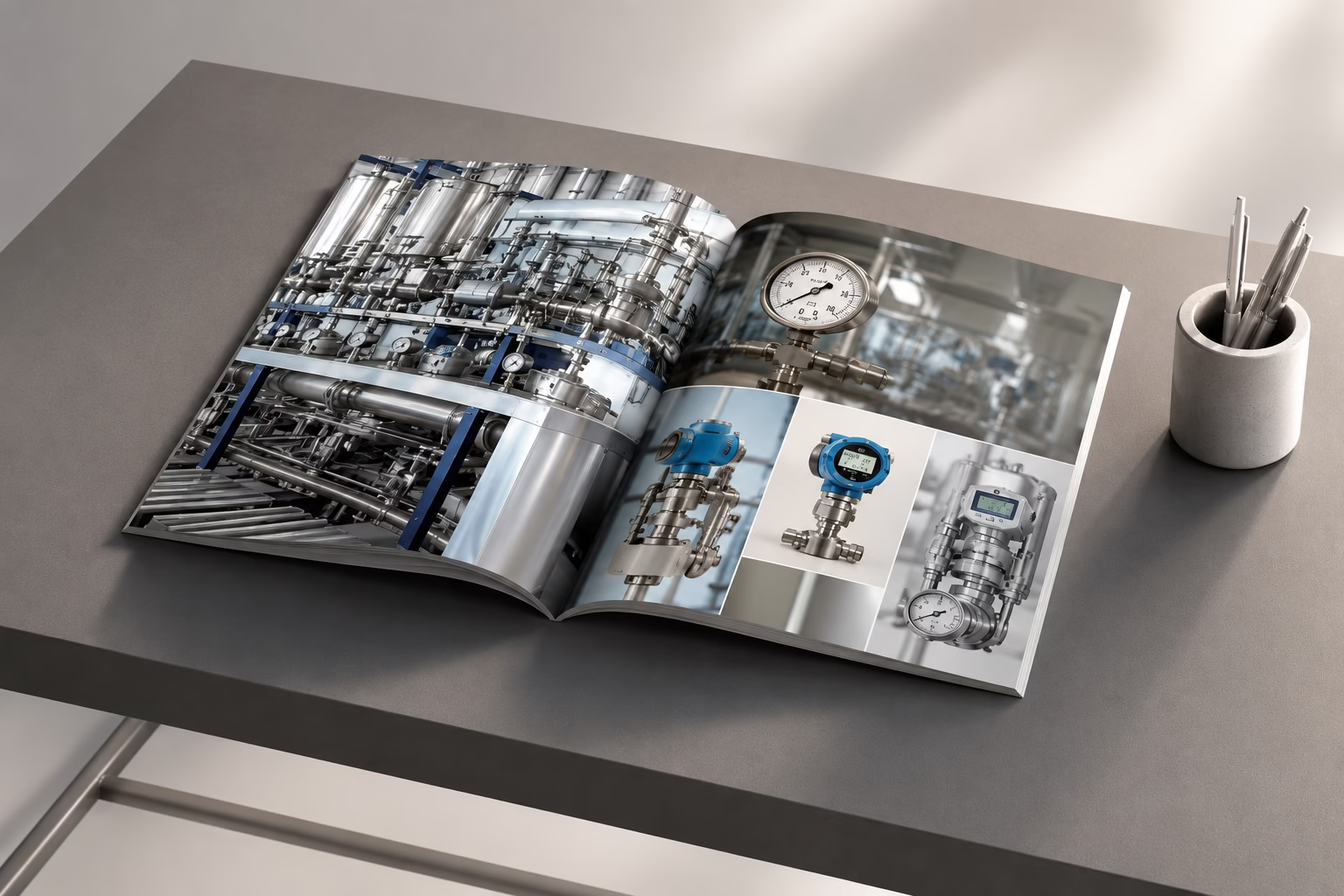
Technical B2B catalogues quickly grow to hundreds or thousands of variants, often maintained in Excel, ERP exports and individual web texts. A PIM system brings that information together in one binding source and delivers it to the shop, the data sheet and the sales documents. Maintenance effort falls, and data quality stays the same in every channel.
Industry studies report up to 30% less time spent on product data maintenance with a central PIM, compared with scattered Excel lists.
Typical B2B catalogues cover more than 1,000 variants with technical attributes. Without central storage, the maintenance effort grows quickly.
3 phases of a PIM introduction
How we proceed, from the data structure to a productive PIM system.
1. Data analysis and structure
Together with your product management we capture the existing sources: Excel, ERP exports and technical data sheets. From that comes a unified attribute model for features, units and categories. We involve sales and technical writers early, so the structure works in day-to-day use.
2. Implementation and integration
On that model we implement the PIM system and connect the ERP, CAD or the web shop. We migrate existing data in a structured way, without losing information. We define approvals and user roles together, so only authorised people can publish.
3. Rollout and maintenance
After go-live we train your team in everyday work with the PIM and the approval processes. From real use we adapt attributes, categories and exports to new product lines. The system stays maintainable and delivers consistent data for the shop, the catalogue and sales.
Free check of your product data
Free analysis of your product data

in <5 min
to the fully automated report
"*" indicates required fields
Filterable product data
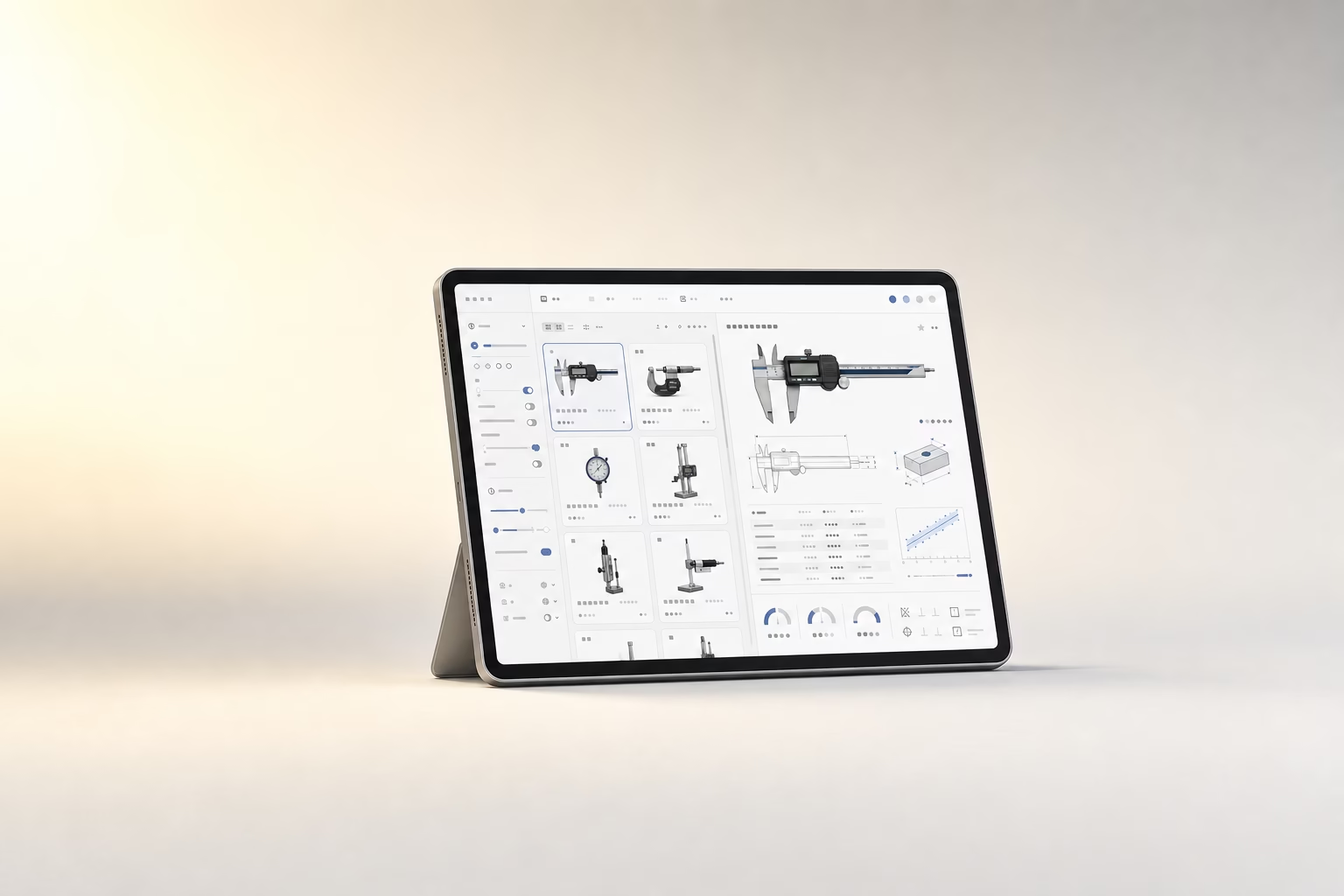
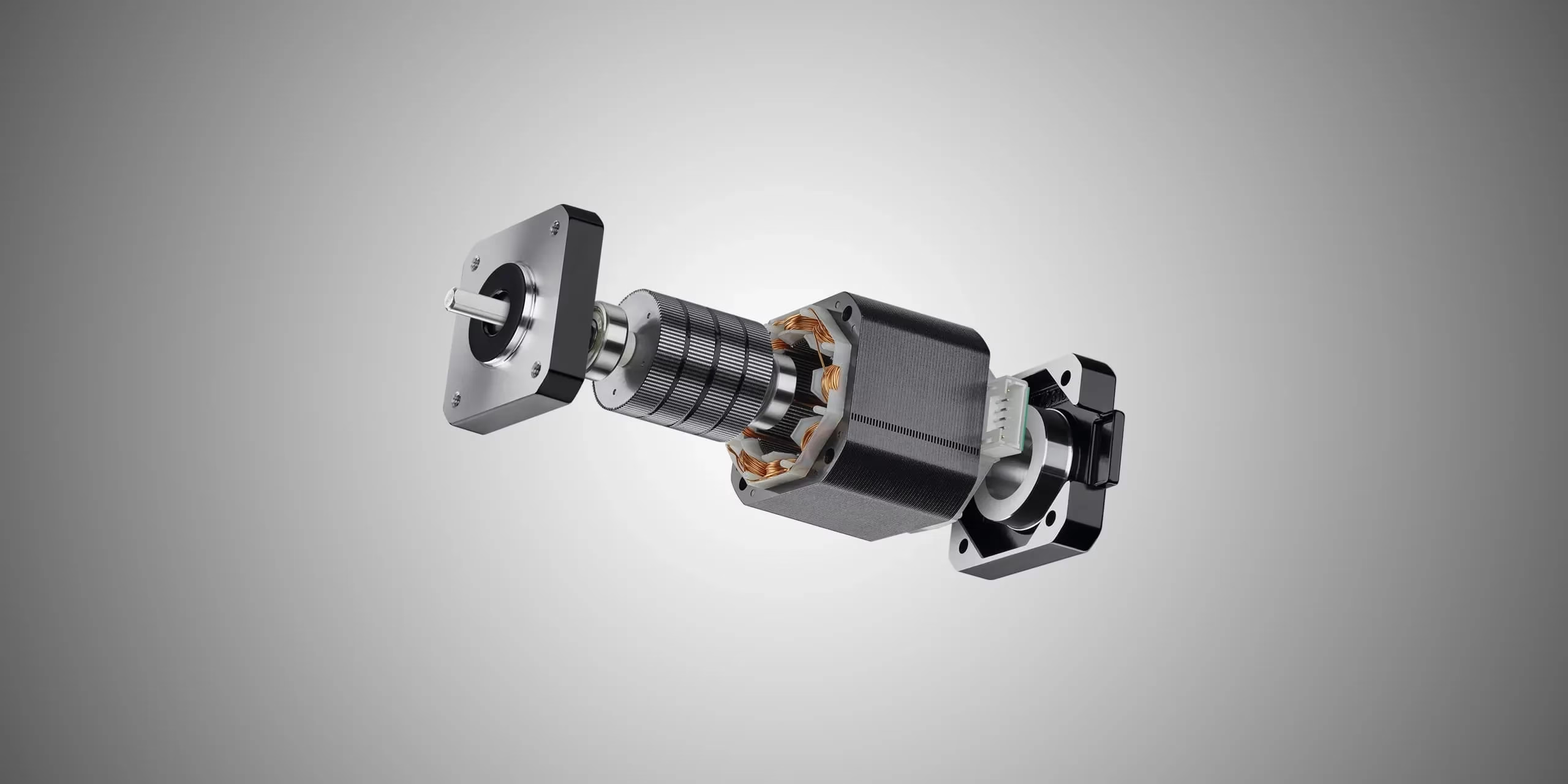
Without a unified structure, buyers and technicians quickly lose the overview of hundreds of variants. A PIM system organises every variant by feature, performance, material or certification and makes it filterable, independent of article numbers or product families. Customers find the right variant themselves before they contact sales.
Complete product attributes
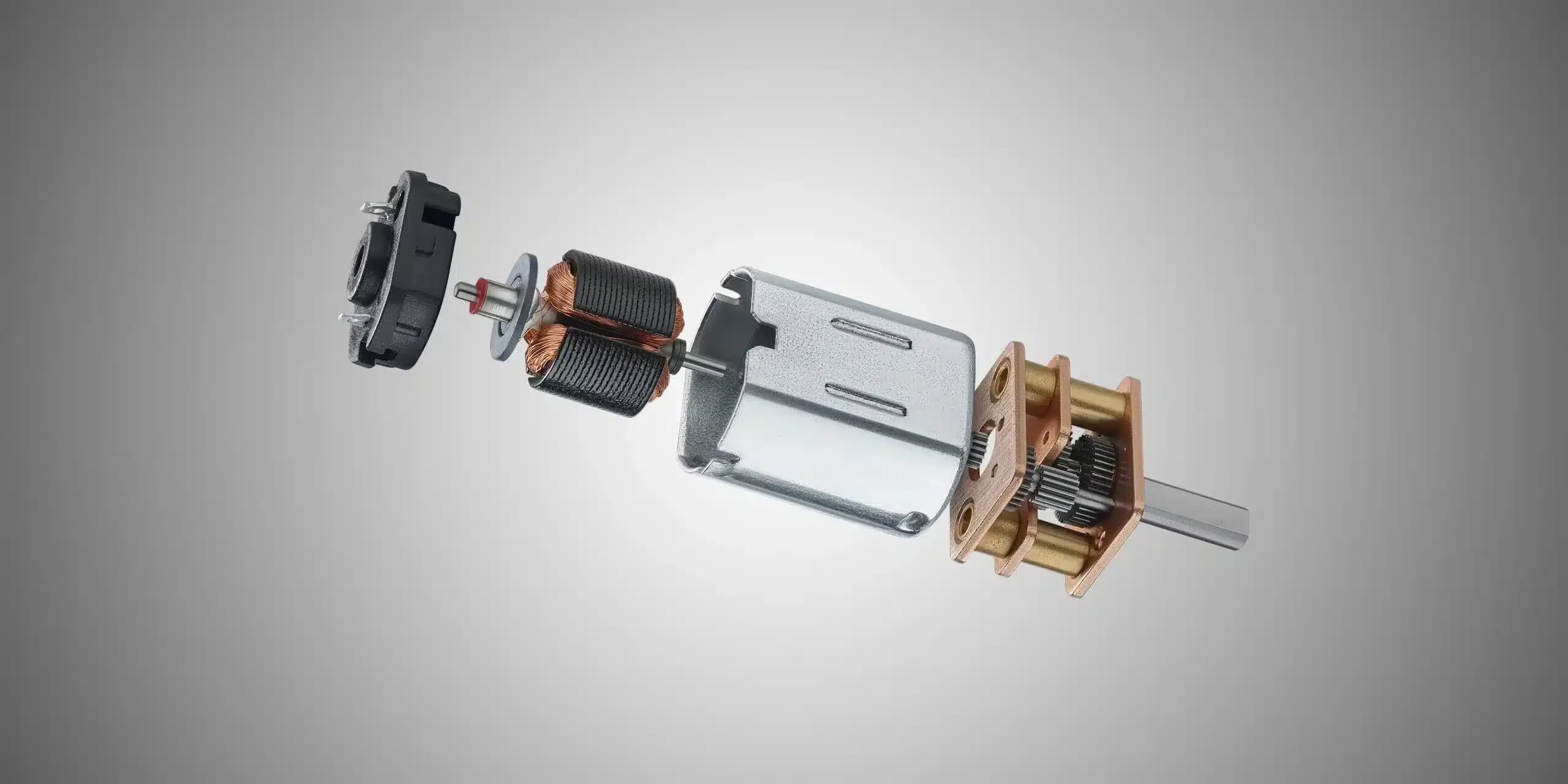
Technical products cannot be described with a few keywords. We model every attribute, from voltage and frame size to certification, as a reusable data field. Product data stays complete, comparable and machine-readable, instead of disappearing into running text.
Connection to ERP and shop
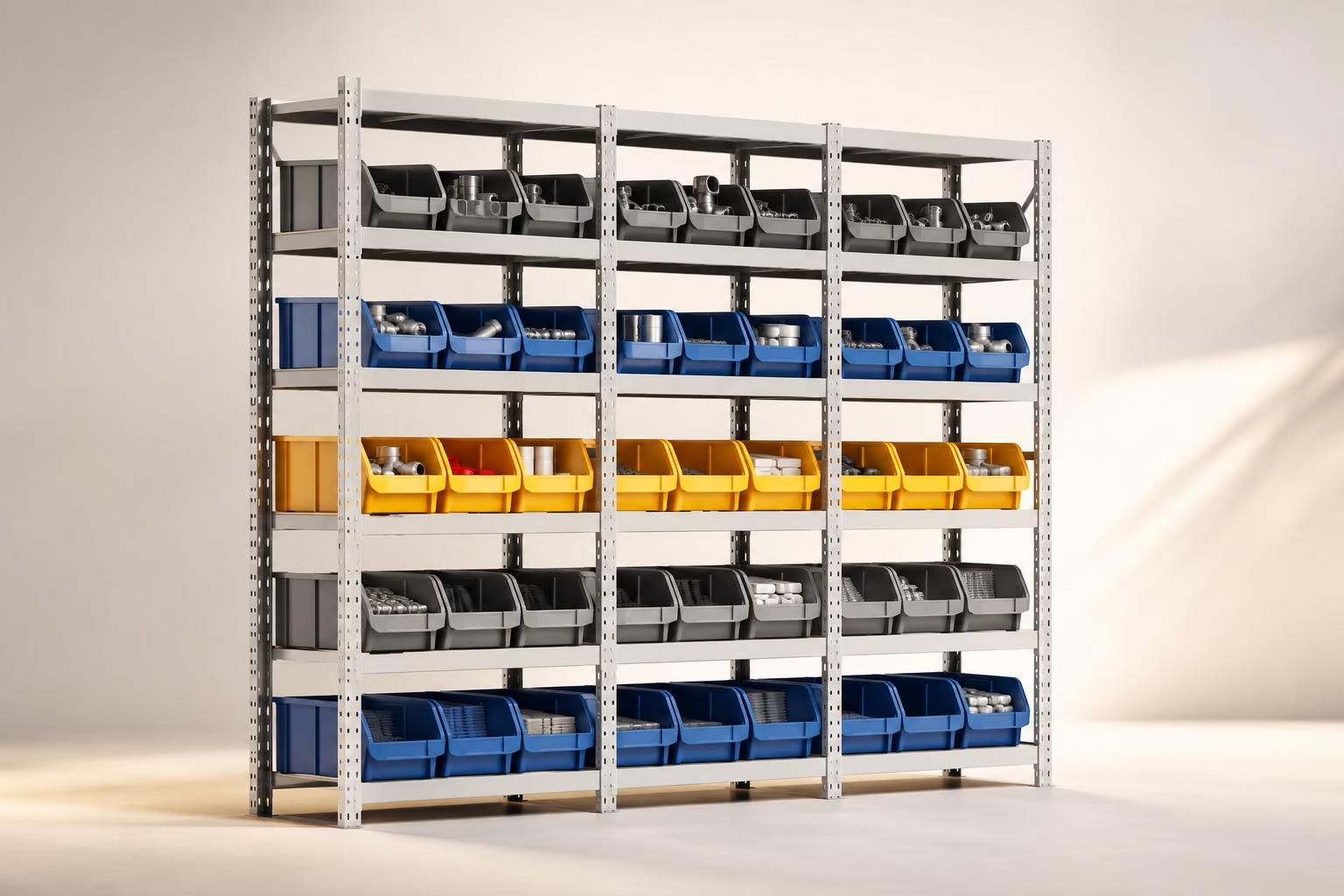
A PIM system only delivers its value together with the systems you already have. We connect the PIM to the ERP, CAD and the web shop, and where needed we develop the interface logic so data stays synchronised automatically. Manual double maintenance largely falls away.
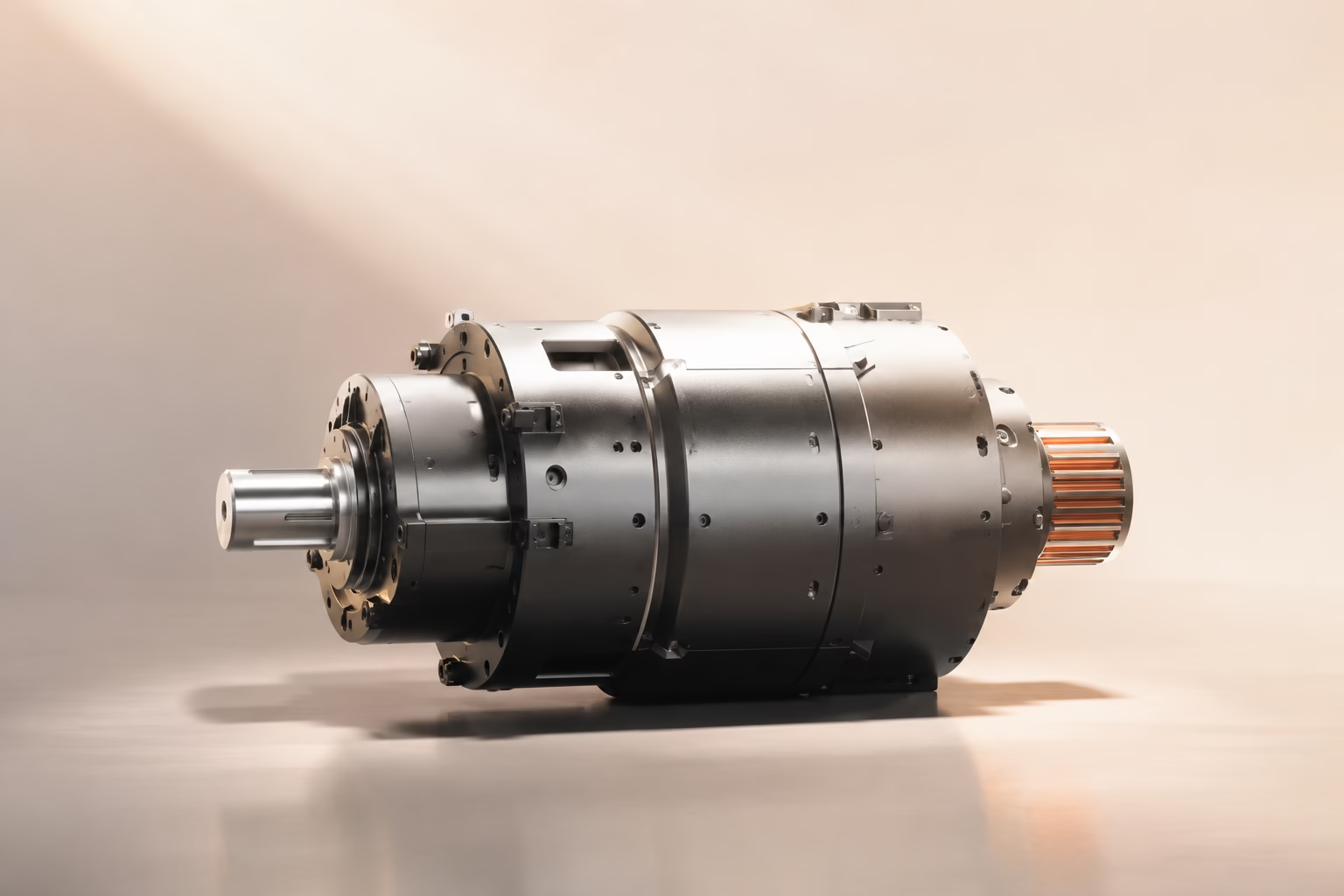
Less work for sales through clean data
Many follow-up questions in sales come from missing or outdated product data. Once data sheets, drawings and specifications are maintained centrally and current everywhere, the clarification work on the phone falls. Sales starts with complete information instead of basic research.

Client testimonial
“Our products cannot be represented in simple SKU lists. Variants, specifications, data sheets and customer-specific requirements have to be organised with technical accuracy. Loehn Digital built a website and a PIM solution for exactly that, shaped to the reality of drive technology.”
Gerrit Kocherscheidt
Managing Director, KOCO MOTION
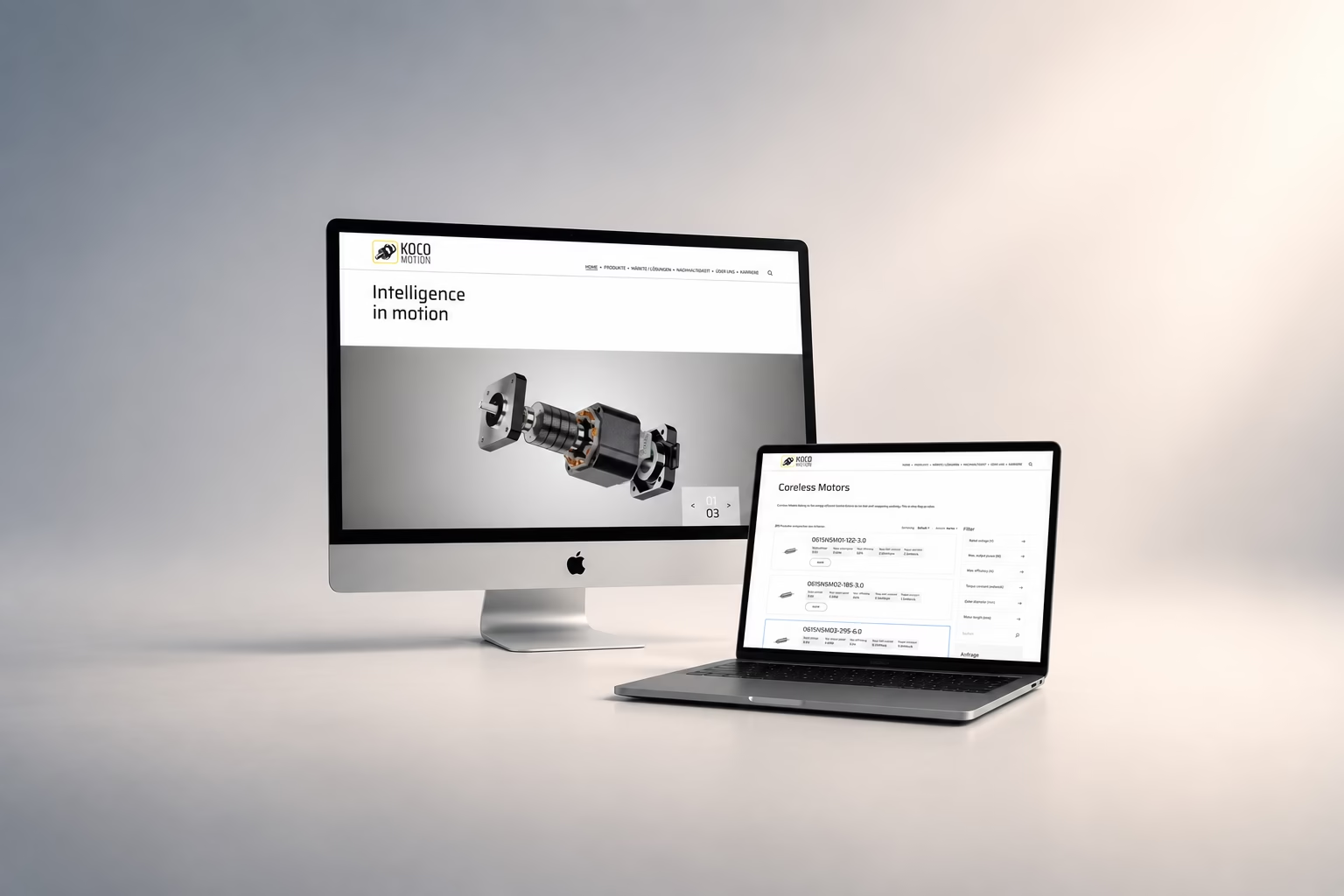
Case study – drive technology
KOCO MOTION
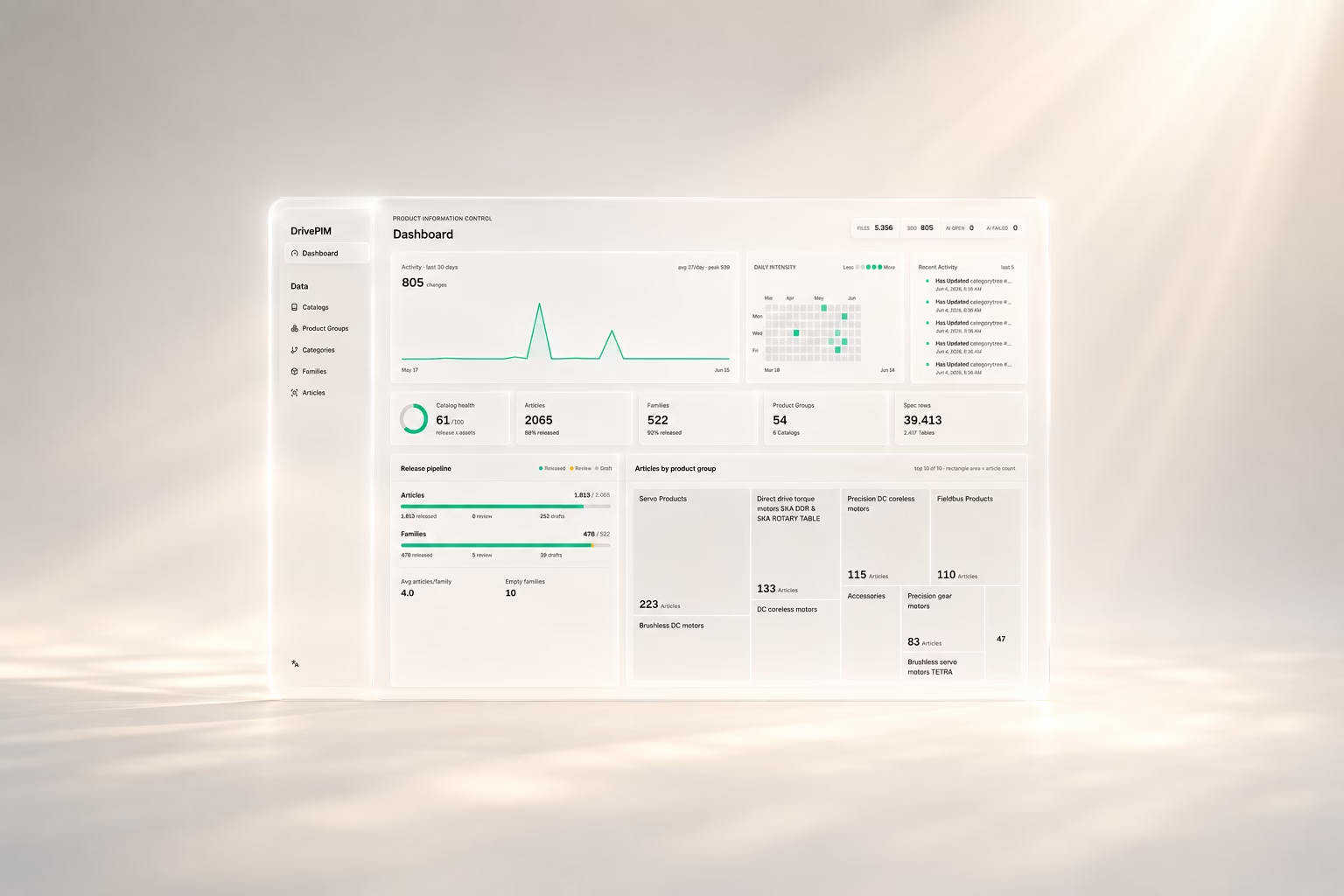
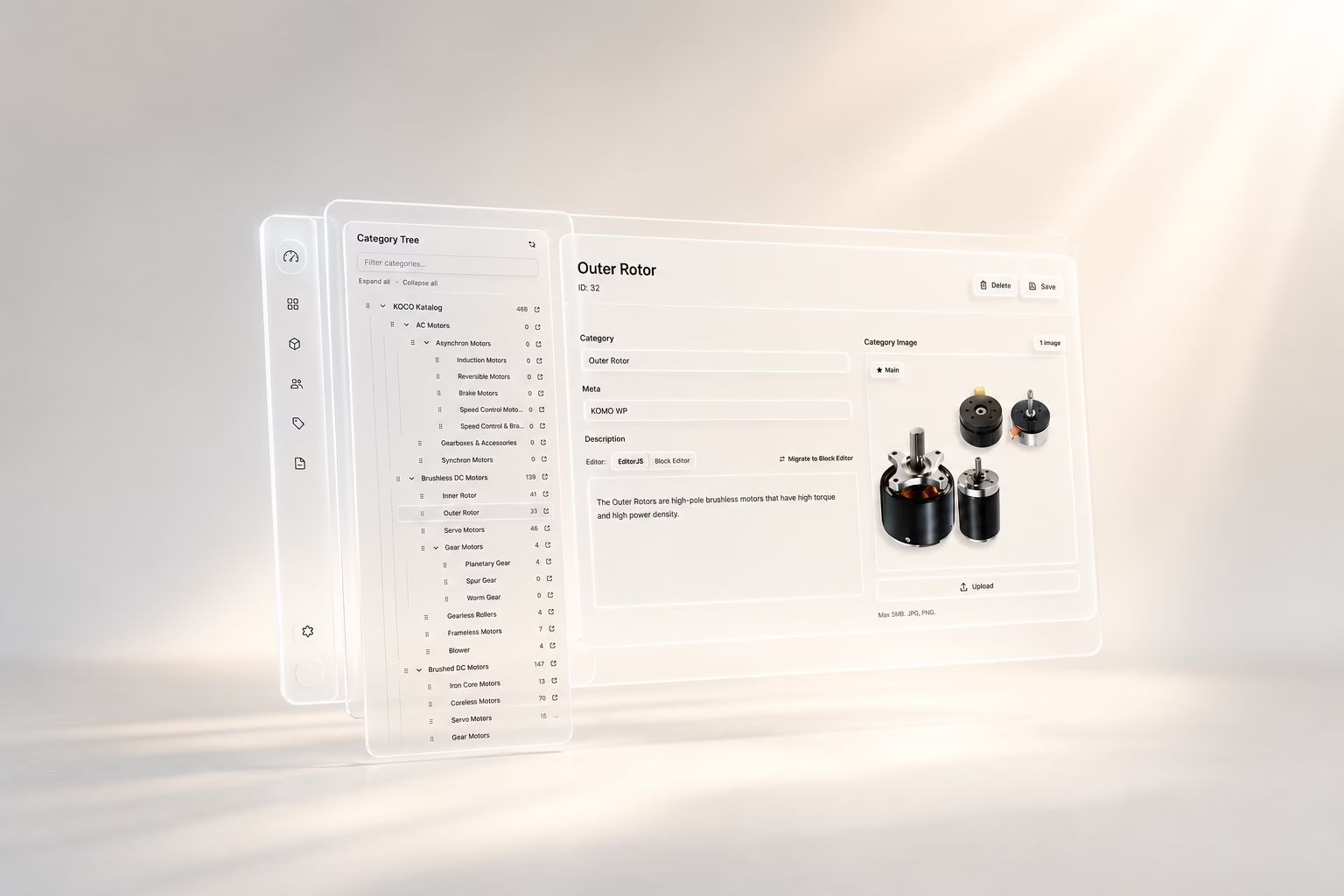
KOCO MOTION sells thousands of motor and drive variants with parameters such as voltage, torque and frame size. We developed the DrivePIM system as a central product database and a filterable website presentation for buyers and technicians. New data flows from one source into the website, data sheets and sales documents. Structured self-service research takes load off sales.
Case study – packaging industry
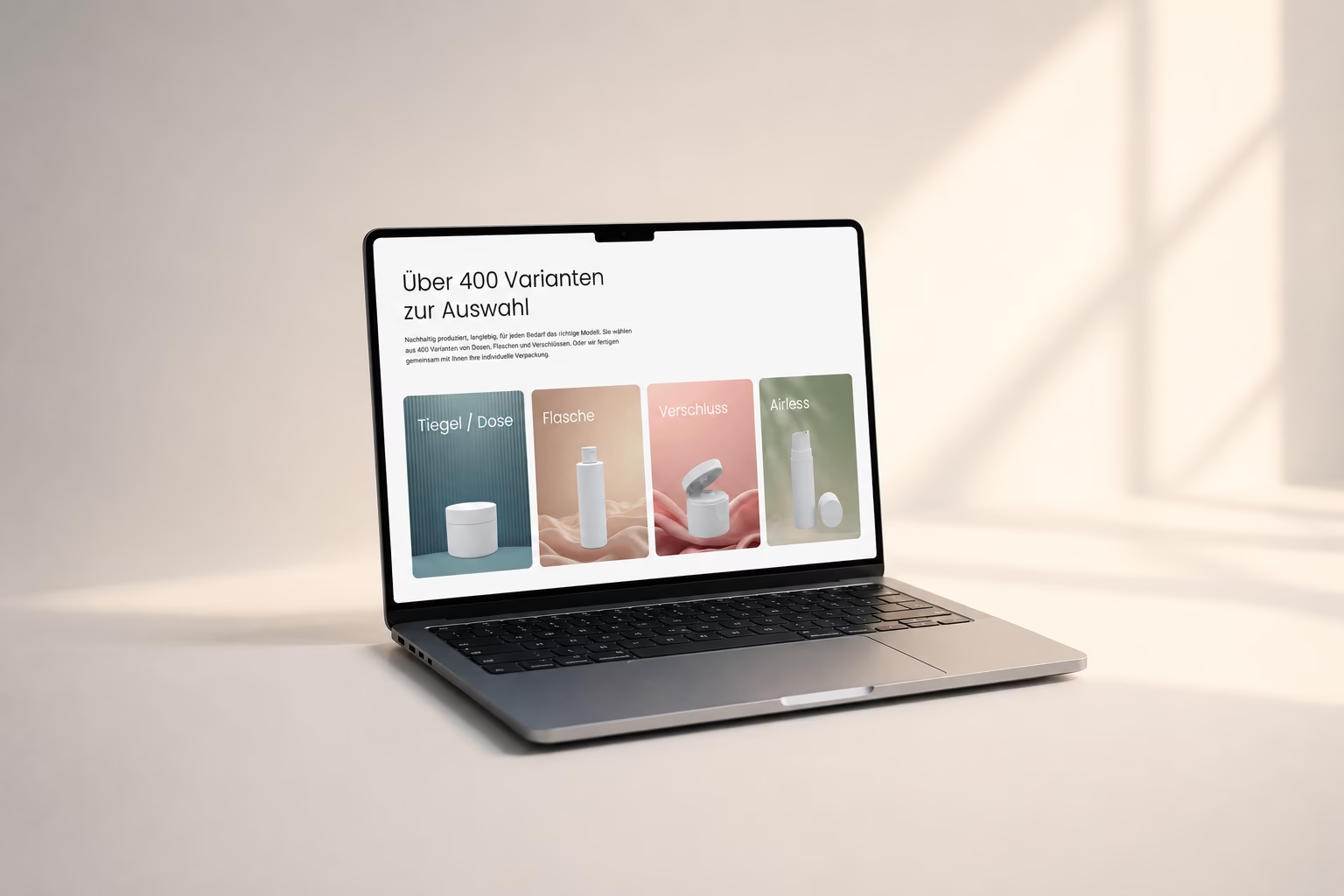
Hopf Packaging
Hopf Packaging offers packaging for pharma and cosmetics in hundreds of combinations of material, shape, size and colour. We structured the product data centrally and built a filterable presentation by application and specification for the website and the sales documents. Customers find the right closures and containers themselves. Enquiries arrive with clearly named features.

Case study – gemstone trade
KGK Suisse
KGK Suisse trades internationally in certified, traceable diamonds and has to make origin, certificate and availability transparent. We built a B2B portal with a central data structure and filters by cut, clarity, carat and certificate. Trading partners find the right stones from consistent product data, without clarifying every enquiry by phone first.
Central product data management for B2B
Talk to us about a PIM system
“A PIM system only pays off when product data arrives consistently everywhere.”
100+ clients
across Germany
"*" indicates required fields
Frequently asked questions
What does a PIM system cost for a mid-sized company?
The cost depends on the attributes, the volume of data and the system integrations. After a briefing you receive an individual proposal with a clear scope.
How long does the introduction take?
Depending on the attribute model and the integrations, we often realise the first structures within a few weeks. A complete migration and the integrations usually take longer.
Which companies benefit from a PIM system?
Especially those with many variants, several sales channels or international markets. Typical cases are mechanical engineering, drive technology, packaging and companies with extensive technical data sheets.
What distinguishes a PIM from a simple database?
A PIM covers approvals, multilingual content and automated exports for different channels. As a PIM system agency we take on the attribute model, the migration and the integration, not only the software licence.
How does the collaboration work?
After analysing your product data we develop the attribute model with product management and sales. You receive interim stages and test the structures before we migrate into production.
Can the PIM be connected to an ERP or to CAD?
Yes. We connect the PIM to an ERP, CAD or a web shop through common interfaces. Where needed we develop individual connections for niche systems.
How do we migrate data from Excel or legacy systems?
We take Excel tables, ERP exports and legacy systems into your new attribute model in a structured way. Before the final migration we check the data together for completeness and consistency.
Does the PIM support multilingual product data?
Yes. Central translation and approval for several languages are core functions. Language versions stay current and consistent with the source text.
How secure is our product data?
Your data stays in your infrastructure, or is processed by agreement in European data centres. User roles and approvals control who can view and publish data.