

Industrial Web Design for B2B
Industrial web design has to make technical quality understandable. In industrial web design we build B2B websites for mechanical engineering and industry that bring product logic, applications, certifications and enquiries together cleanly, instead of losing visitors in brochure pages.




Industrial web design / Services
Websites for technology
- UX structure: product logic by application, industry and technical parameter
- Industrial web design: clear pages for products and series that need explanation
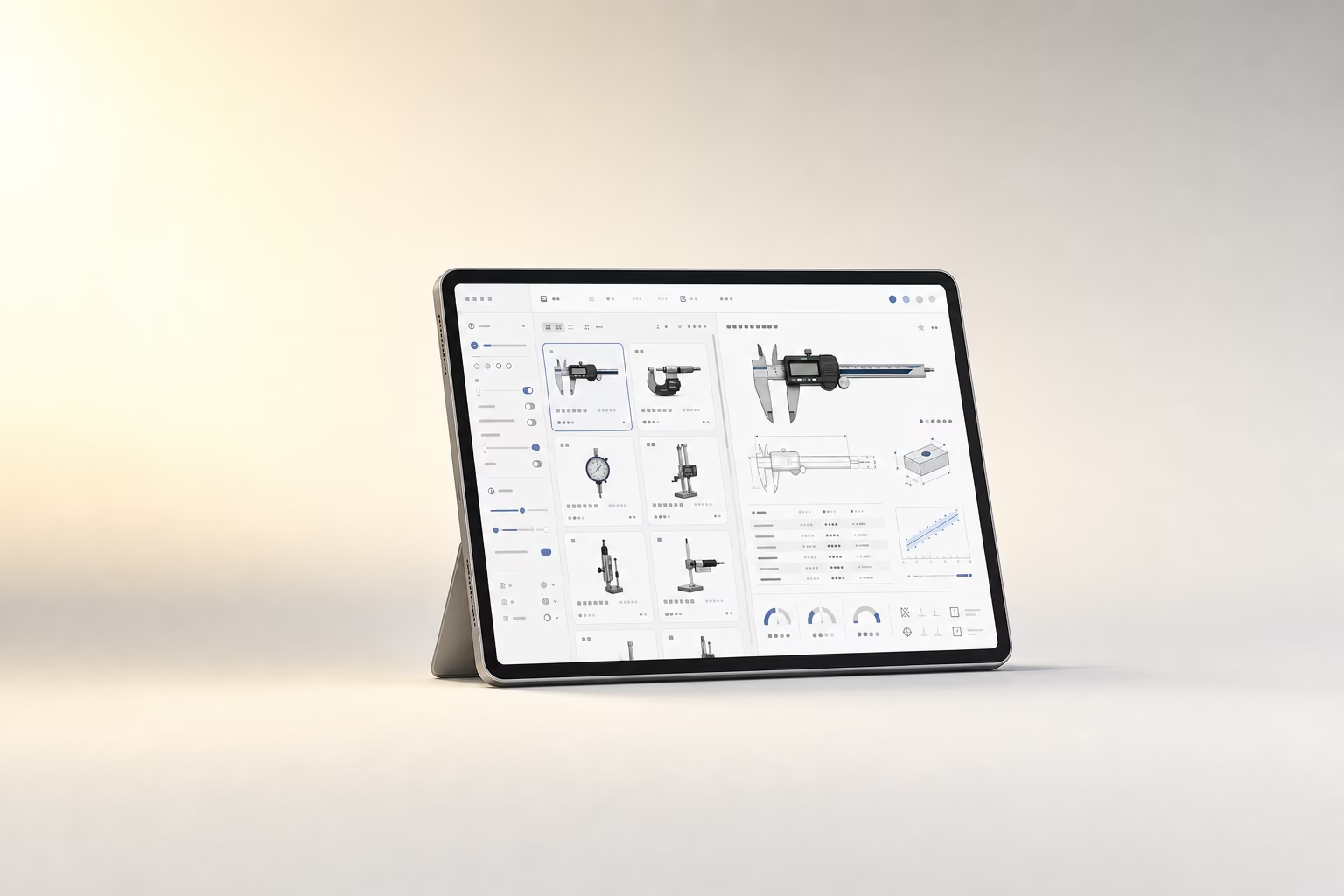
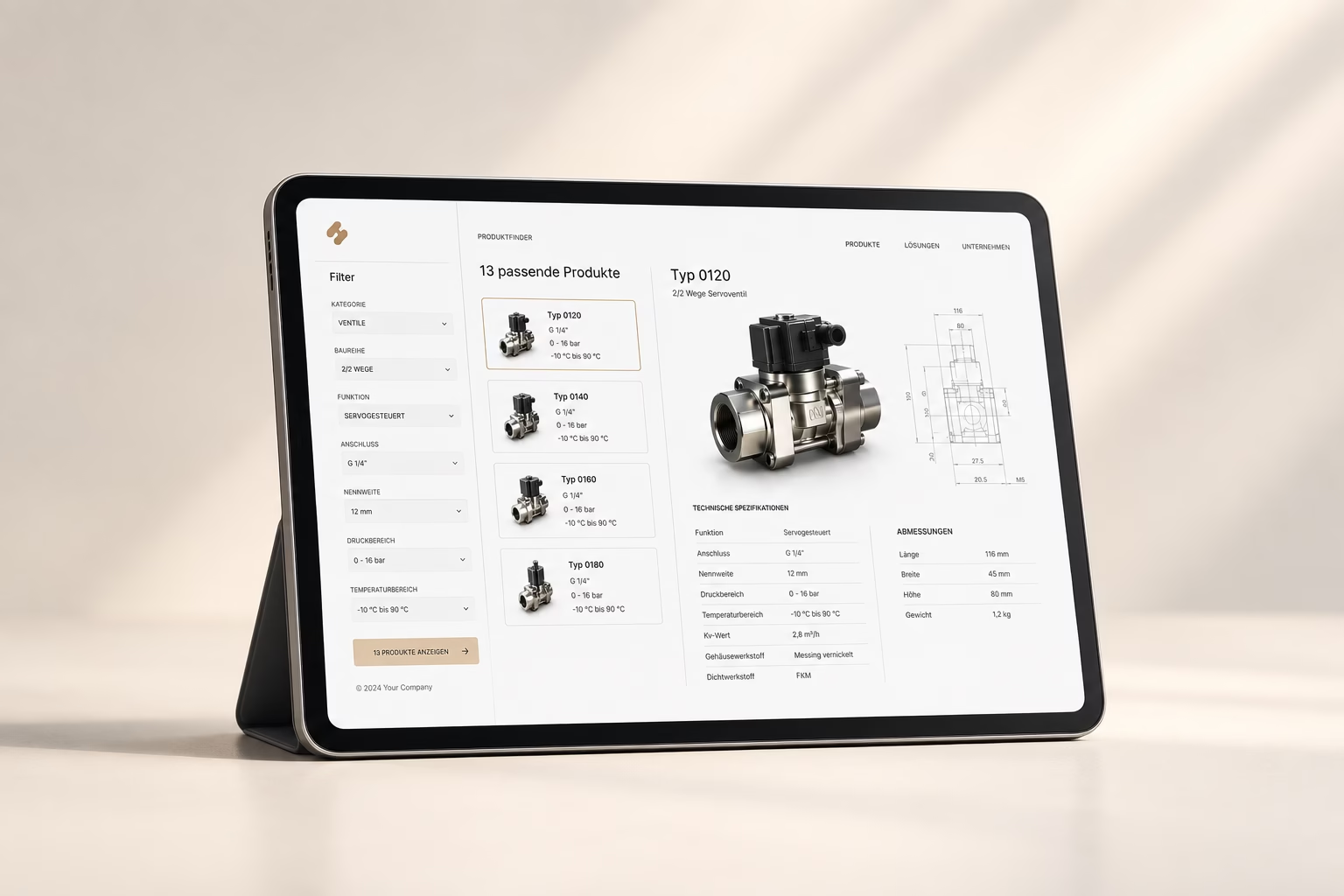
- Product finder: filterable catalogues instead of static PDF downloads
- Content system: data sheets, images and specialist copy that stay easy to maintain
- Less work for sales: enquiries arrive with more technical context
Who it is for
Who this web design is for
- Mechanical engineering: product portfolios with variants, accessories and applications that need explanation
- Sensors and measurement technology: websites for data sheets, standards and fields of use
- Management and sales: a digital presence that should pre-qualify enquiries
Industrial websites / Product logic
Make the product logic visible
Technical buyers research for a long time before they contact your sales team. When data sheets, product variants, applications and certifications are scattered, even a strong manufacturer looks smaller online than it is technically. An industrial website bundles that information into a clear structure and turns product knowledge into a sales tool.
Around 70% of many B2B buying processes are prepared before a personal conversation takes place. Your website has to answer technical questions early.
Mechanical-engineering portfolios quickly cover more than 1,000 variants. Without filters by parameter and application, product quality stays hard to find.
3 phases of our industrial web design
How a B2B website is built that explains technical products, makes them findable and prepares sales.
1. Structure and product logic
We analyse product groups, applications, target markets and the questions your sales team has to answer again and again. Together with engineering, sales and management we define which parameters, certifications, data sheets and variants actually matter to a buyer’s decision. From that comes the information architecture of your website: navigation, product pages, filters, form logic and clear priorities for the relaunch.
2. Design and implementation
On that basis we design and build pages, product finders and detail views that make technical depth visible without overwhelming visitors. Copy, images, data sheets and forms are structured so specialist decision-makers reach the right product group faster and can send enquiries with relevant information. Design, development and technical content fit directly together.
3. Handover and optimisation
After launch we review which pages are used, which searches bring qualified visitors and where enquiries still contain too little context. Your team receives a structure they can maintain for new products, references and data sheets. The website stays current, grows with your portfolio and keeps taking load off sales after the relaunch.
Free check for industrial websites
Free analysis of your website

in <5 min
to the fully automated report
"*" indicates required fields
Filterable product finding
Technical B2B catalogues quickly grow to hundreds of variants with applications, frame sizes and certifications. In industrial web design we build websites with filter logic that lets buyers and technicians search by exactly those features, not by internal article numbers. Your website becomes a digital sales platform, not a filing cabinet for product PDFs.
UX for technical decision-makers
Industrial web design has to work differently from a classic corporate website. A buyer wants data, comparability and certainty. A technical decision-maker wants specifications, operating limits and proof. We design navigation, product pages and forms so both audiences can decide faster and your sales team is better prepared.
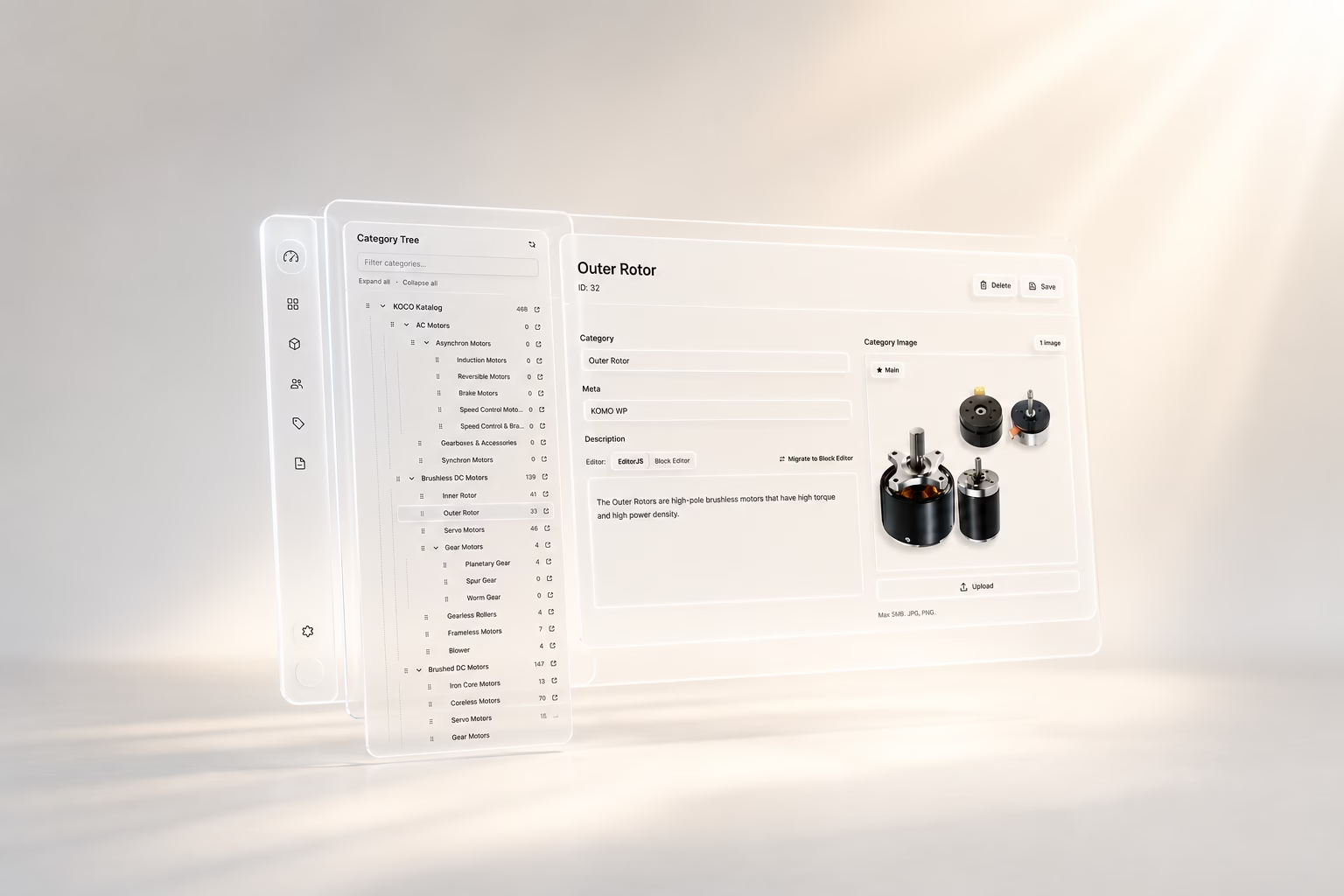
Product data that stays maintainable
Good industrial web design does not end at launch. Product data, images, data sheets, translations and variants have to stay consistent over time, or every website loses trust. We structure content so new series and technical information can be added cleanly, without your team starting from zero each time.
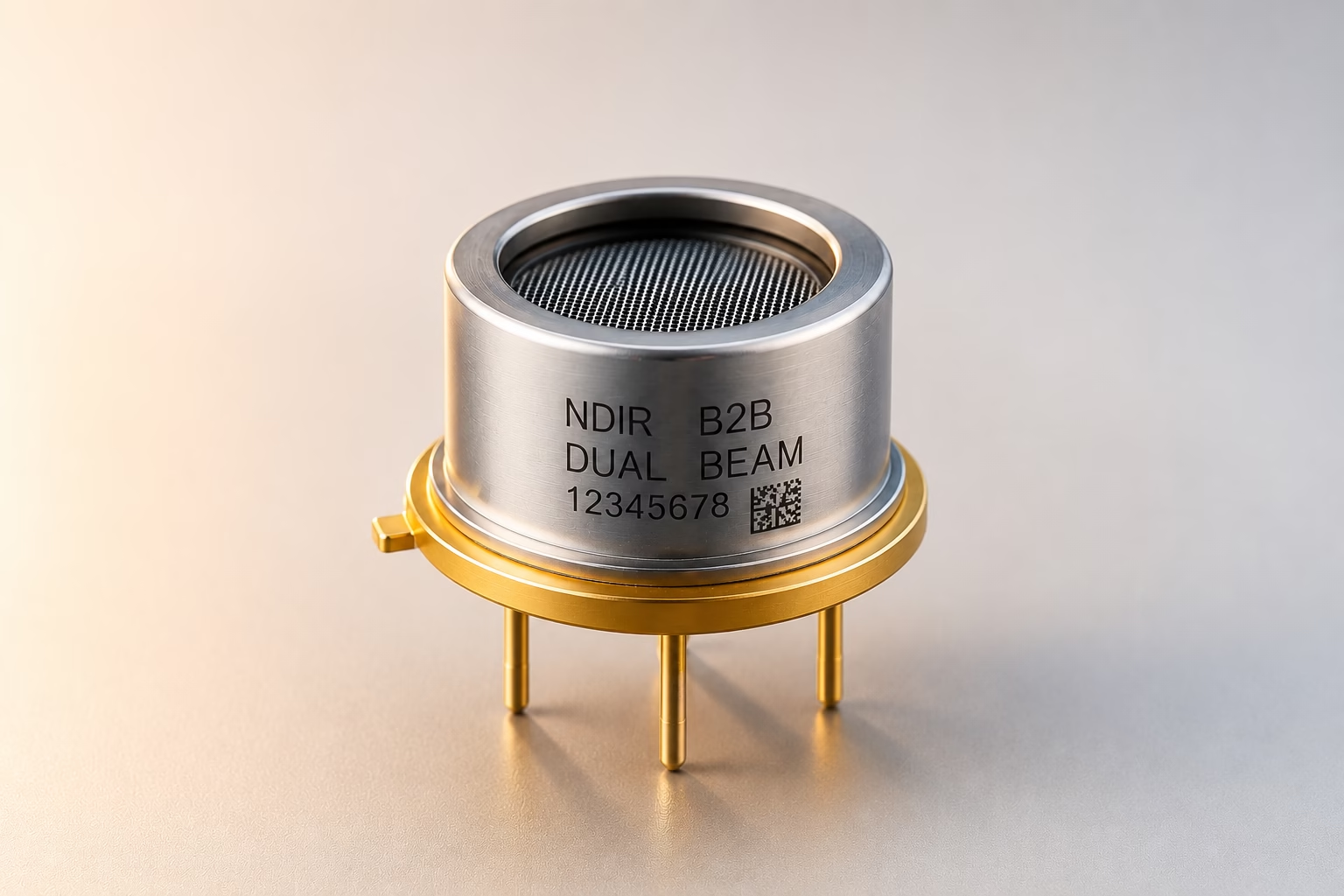
The website as a sales tool
Many enquiries in technical sales start with the same basic questions about application, dimensions, standards or compatibility. A website with clear product logic answers those questions before first contact and pre-qualifies prospects. Sales talks earlier about concrete applications instead of basics, and can prioritise conversations better.

Client testimonial
“Working with Loehn Digital gave us a solid foundation for data-driven B2B marketing. On LinkedIn we positioned smartGAS as a specialist partner for NDIR gas sensors, while Google Ads directed existing search demand to our product pages. What mattered most was that the campaigns were not generic. They were built around our applications and product lines. That creates visibility sales and management can actually use.”
Tobias Henrich
Managing Director, smartGAS
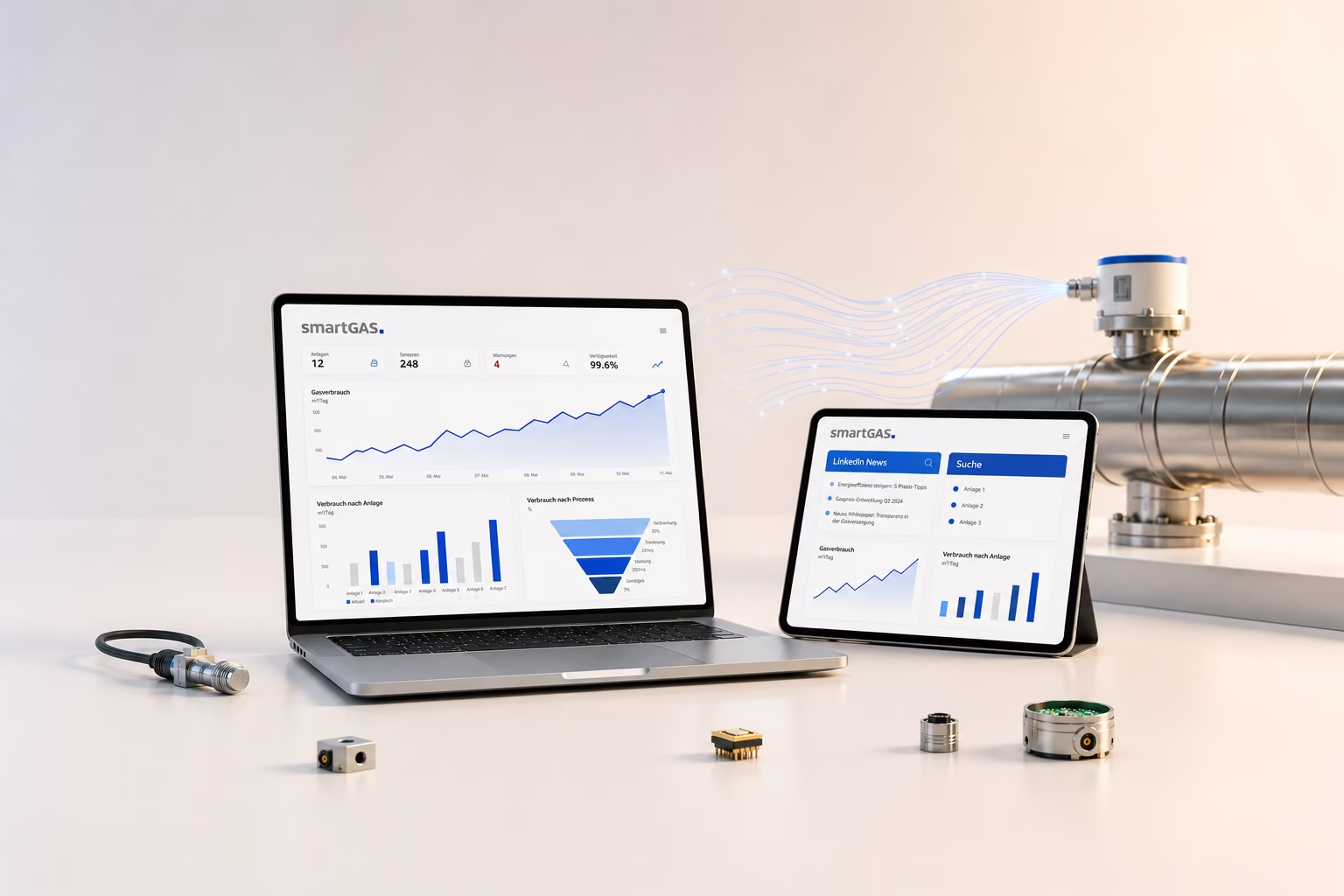
Case study – gas analysis and sensors
smartGAS
smartGAS develops high-precision NDIR gas sensors for the process industry and environmental monitoring, a subject that is hard to grasp without a clean product structure. We made applications, product groups and technical features easier to understand and organised the website along concrete search and decision intents. Specialist decision-makers find the right information faster, before they contact sales.
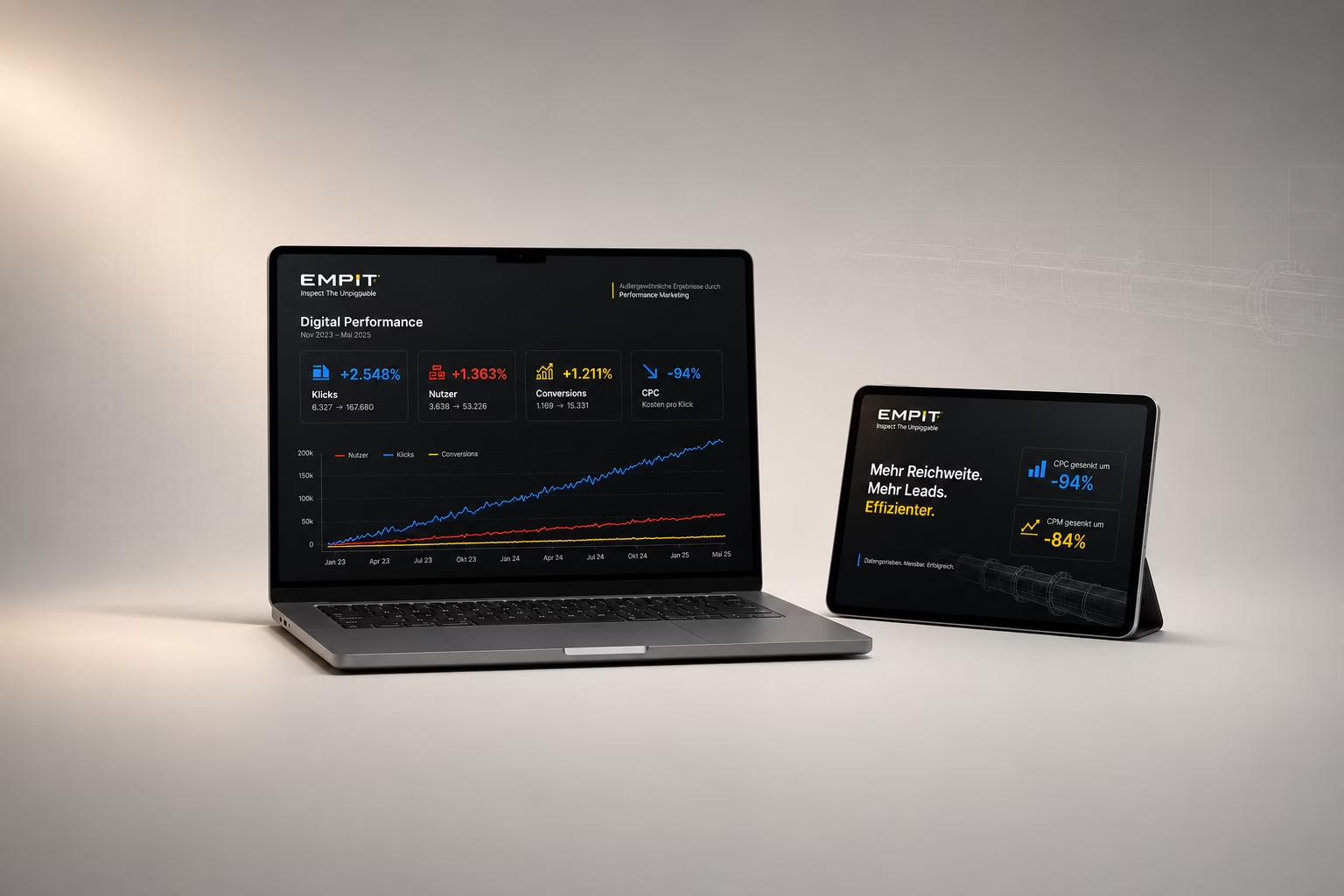
Case study – pipeline inspection
EMPIT
EMPIT inspects pipelines non-destructively, without interrupting operations, a highly specialised technology that requires trust first. We structured the digital communication so operators and inspection service providers understand how it works, the benefit and the use cases more quickly. The website now handles part of the technical pre-qualification and supports qualified first conversations.
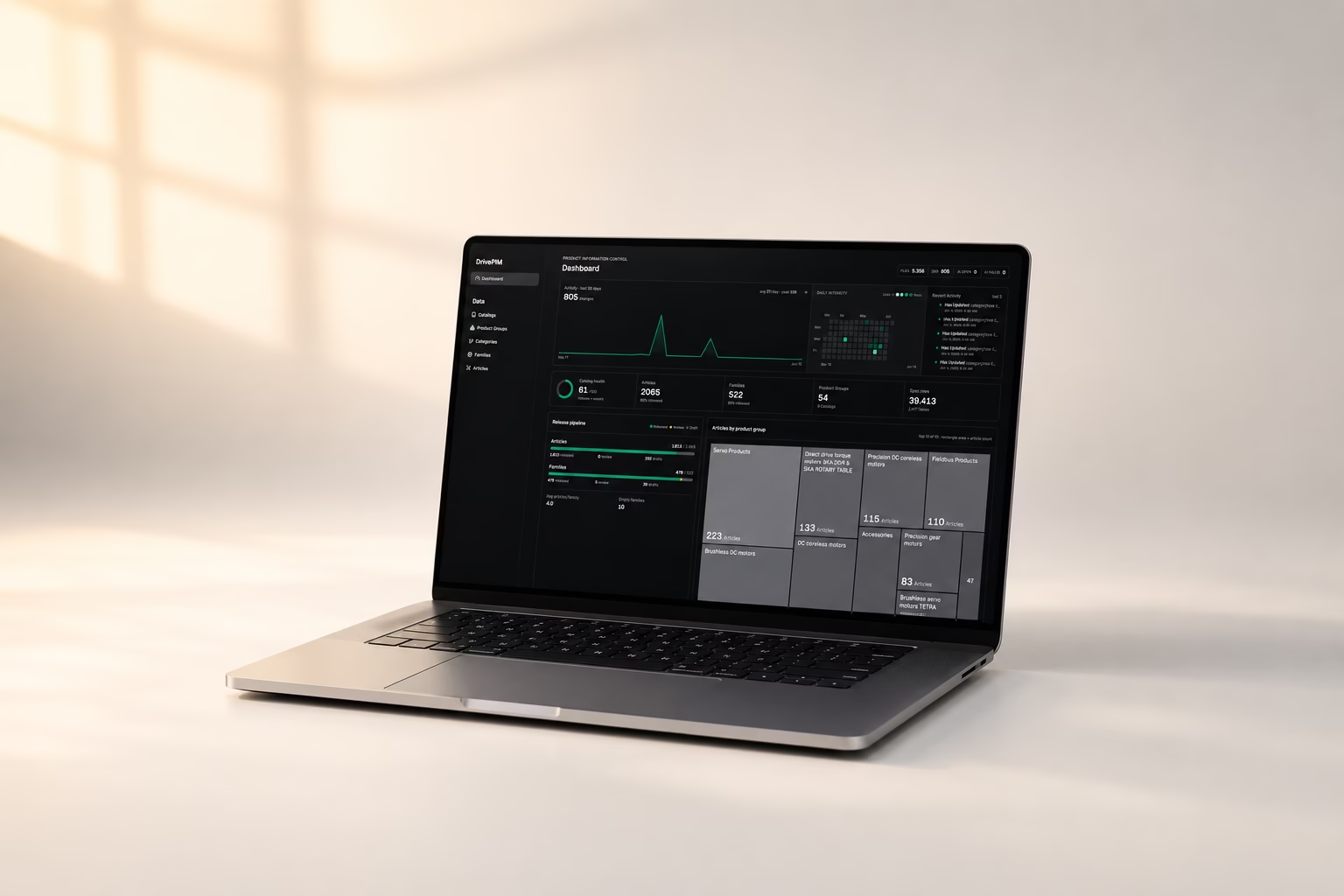
Case study – drive technology
KOCO MOTION
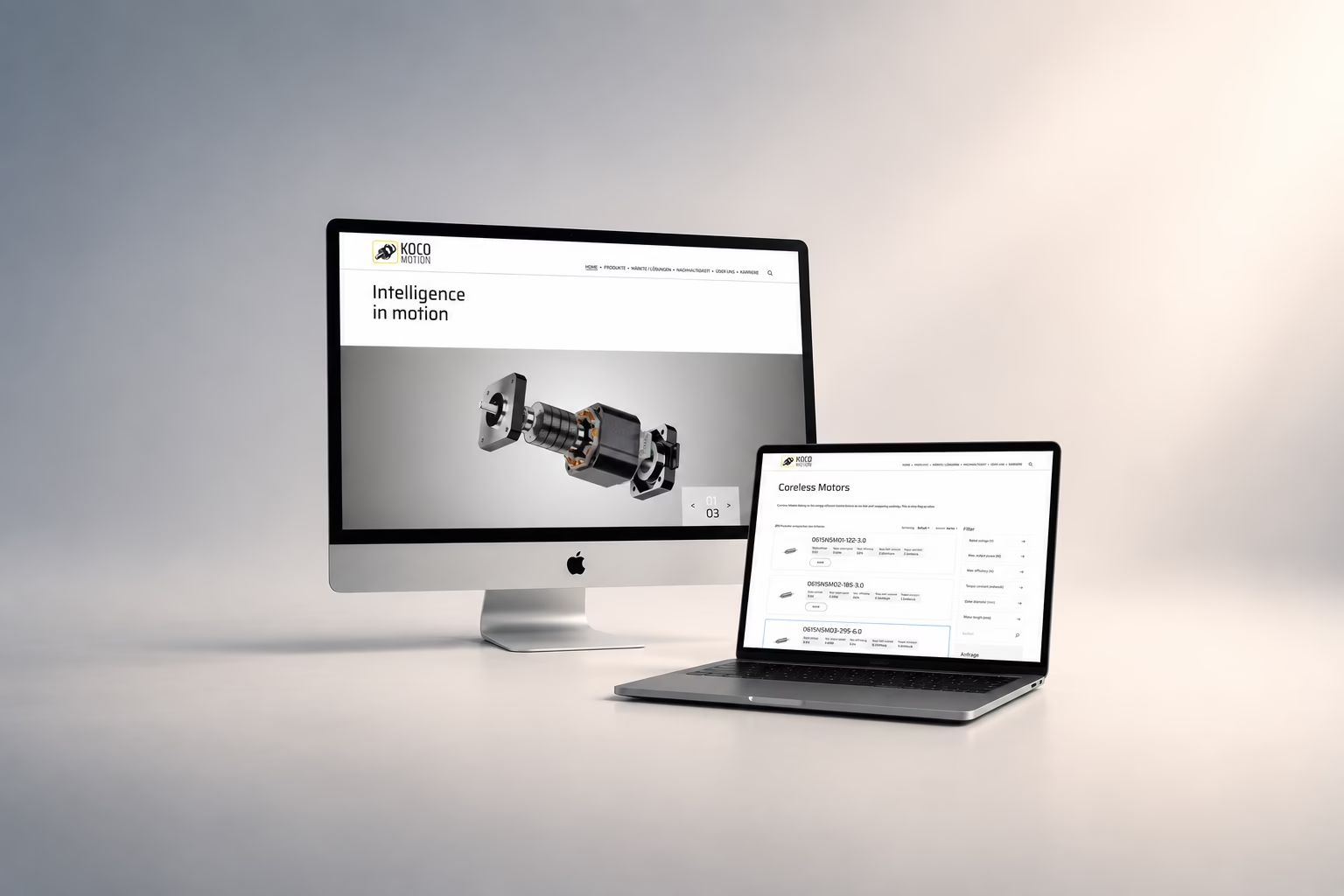
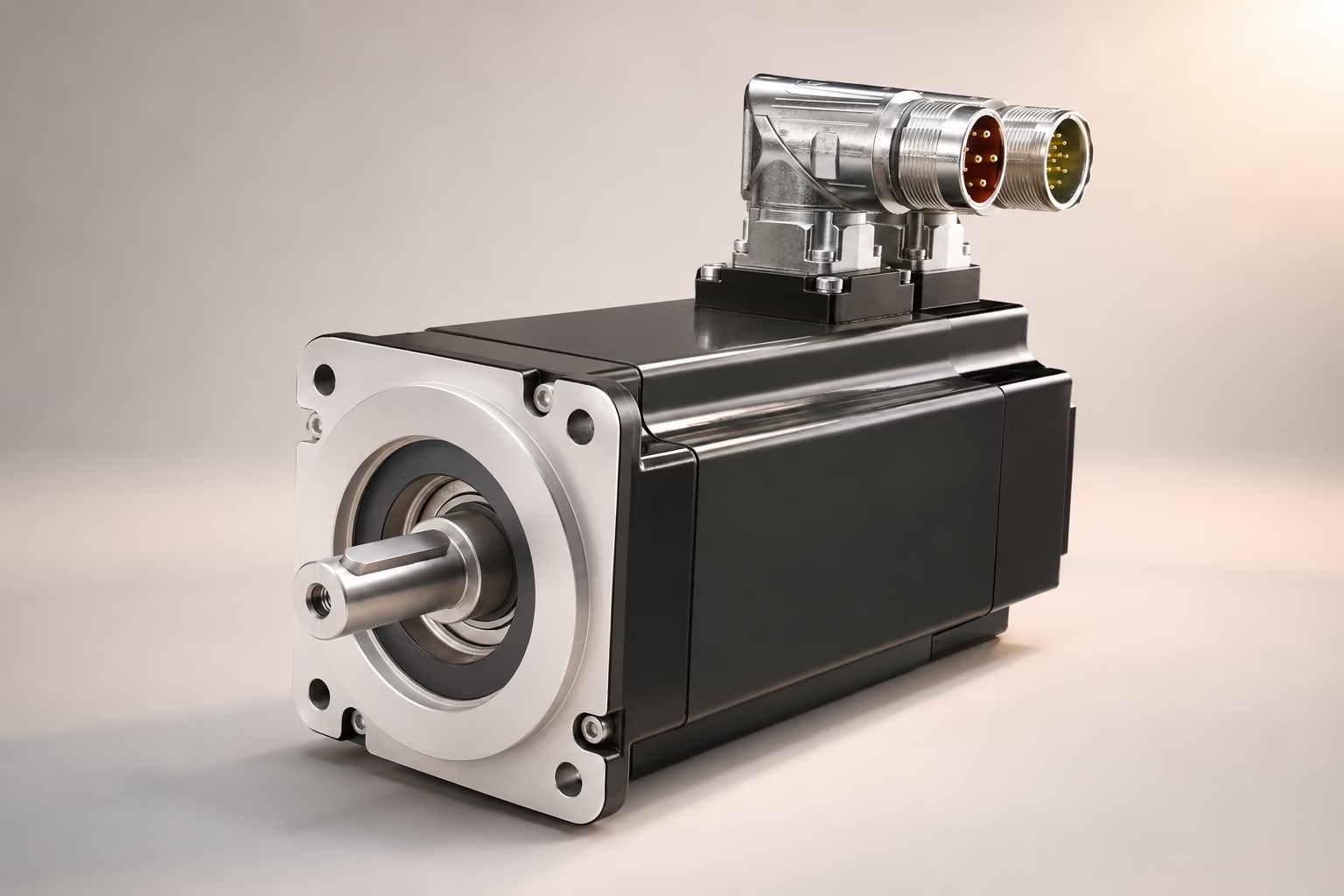
KOCO MOTION sells thousands of motor and drive variants with parameters such as voltage, torque and frame size. We built a filterable product presentation and a product information system so buyers and technicians can find the right variant themselves. Structured self-service research takes load off sales and makes a large portfolio manageable online.
Web design for industry and mechanical engineering
Talk to us about industrial web design
“An industrial website has to make technical quality visible and sellable.”
12 years of experience
in B2B digital marketing
Frequently asked questions
What does industrial web design cost?
The cost depends on scope, product logic, design ambition, languages and the functions you want. After a briefing you receive an individual proposal with a clear scope, without package logic and without rigid package prices.
How long does an industrial website take?
A lean relaunch can be delivered faster than a multilingual product catalogue with filter logic and a data-sheet structure. What matters is how cleanly product data, images and technical content already exist. After the analysis you receive a realistic sequence with clear milestones.
Which industries does this fit?
Industrial web design is especially suited to mechanical engineering, drive technology, sensors, measurement technology, automation and the process industry. The industry matters less than whether your products need explanation and whether buyers research intensively before they make contact.
What distinguishes you from web agencies?
We do not treat an industrial website as a design surface. We treat it as a sales and product-information system. loehn.digital connects UX, web development, technical content and product logic under one roof, directly with the people who also implement the work.
How does the collaboration work?
We start with an analysis of products and audiences, talk to sales and technical contacts, and develop structure, content and design direction from that. You receive clear interim stages and decide with us which product lines, markets and applications are prioritised.
Can existing data be taken over?
Yes. If data sheets, product copy, tables or PIM data already exist, we review structure and quality. Existing content can often be reused, but it usually has to be reorganised for the website, the filter logic and understandable product pages.
Can you present technical data correctly?
Yes. We work closely with product management, sales and technical writers, so features, standards, certifications and applications stay correct. The aim is understandable communication without simplifying the technical substance in the wrong places.
Can we also reach international buyers?
Yes. Multilingual websites, international product structures and clear technical terms can be built for the markets where your customers research. Units, certifications and application logic need to be adapted cleanly to each market.
How do you measure success?
We review enquiries by quality, source and technical context, instead of only counting page visits. Where needed, we connect forms to your CRM, so it becomes visible which content and product pages lead to suitable conversations with purchasing and engineering.