


React Agency for B2B
Many B2B frontend projects start without a clean component architecture, and become harder to maintain with every release. As a React agency we build React and Next.js applications with a clear software architecture that your team can run and extend over the long term.







React and Next.js / Services
Frontends from the React agency
- React development: scalable interfaces with a clear component architecture
- Next.js applications: server-side rendering for fast load times and better search visibility
- Headless architectures: decouple CMS, backend and APIs cleanly from the frontend
- Legacy modernisation: migrate jQuery, PHP or Angular frontends to React in stages
- Interface integration: connect ERP, CRM, PIM and REST APIs, documented
Who it is for
Who the React agency is for
- B2B manufacturers and SaaS providers with complex product portals that have to stay maintainable
- Development teams that want React or Next.js expertise for critical project phases
- Companies with outdated frontend stacks that want a migration without a full rebuild


React agency
Architecture from the React agency
React is the most widely used frontend framework in professional development projects worldwide: industrially mature, modular, and with the broadest ecosystem. Next.js adds server-side rendering and static generation to React. B2B portals load faster, are easier for search engines to find, and can be developed separately from the backend logic.
According to the Stack Overflow Developer Survey 2024, React is the most used web framework: mature, modular, and with the most active frontend community worldwide.
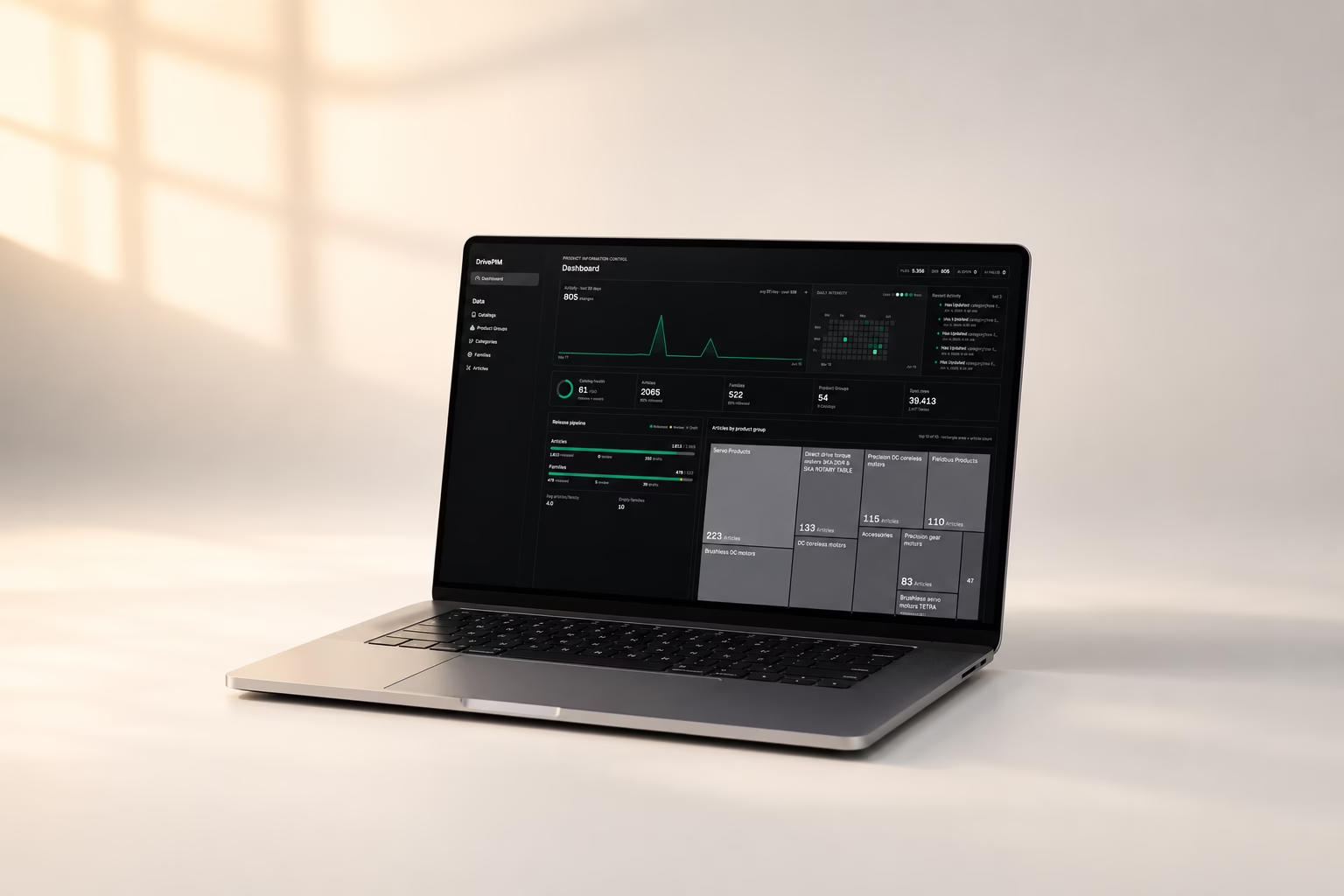
KOCO MOTION manages more than 400 drive variants in a filterable React web application. Buyers and technicians search on their own, and sales starts with a concrete product reference.
3 phases of our React development
From the architecture decision to the productive launch, with clean code reviews and interim stages you can check.
1. Analysis and architecture decision
We analyse your existing technology landscape, the scope you want, and the long-term requirements for maintainability, scaling and interface integration. On that basis we decide together whether Next.js, a pure React SPA or a headless architecture fits the project best. The component structure, the state management and the API strategy are fixed before the first sprint, not adjusted afterwards.
2. Development and code reviews
React components are built to be modular and testable, reusable across pages and functional areas. Code reviews, automated tests and consistent naming mean new team members get up to speed quickly, and new functions can be added without risk. Interim stages are regularly visible and testable in the browser before the next sprint starts.
3. Integration and handover
We connect existing backends, REST APIs, CMS systems and authentication layers through documented interfaces. The handover includes complete technical documentation, a component overview and clear notes on extension points. On request we train your internal team and support the first releases after launch, until you can continue development on your own.
Report on frontend architecture, performance and visibility
Free React analysis

in <5 min
to the fully automated report
"*" indicates required fields
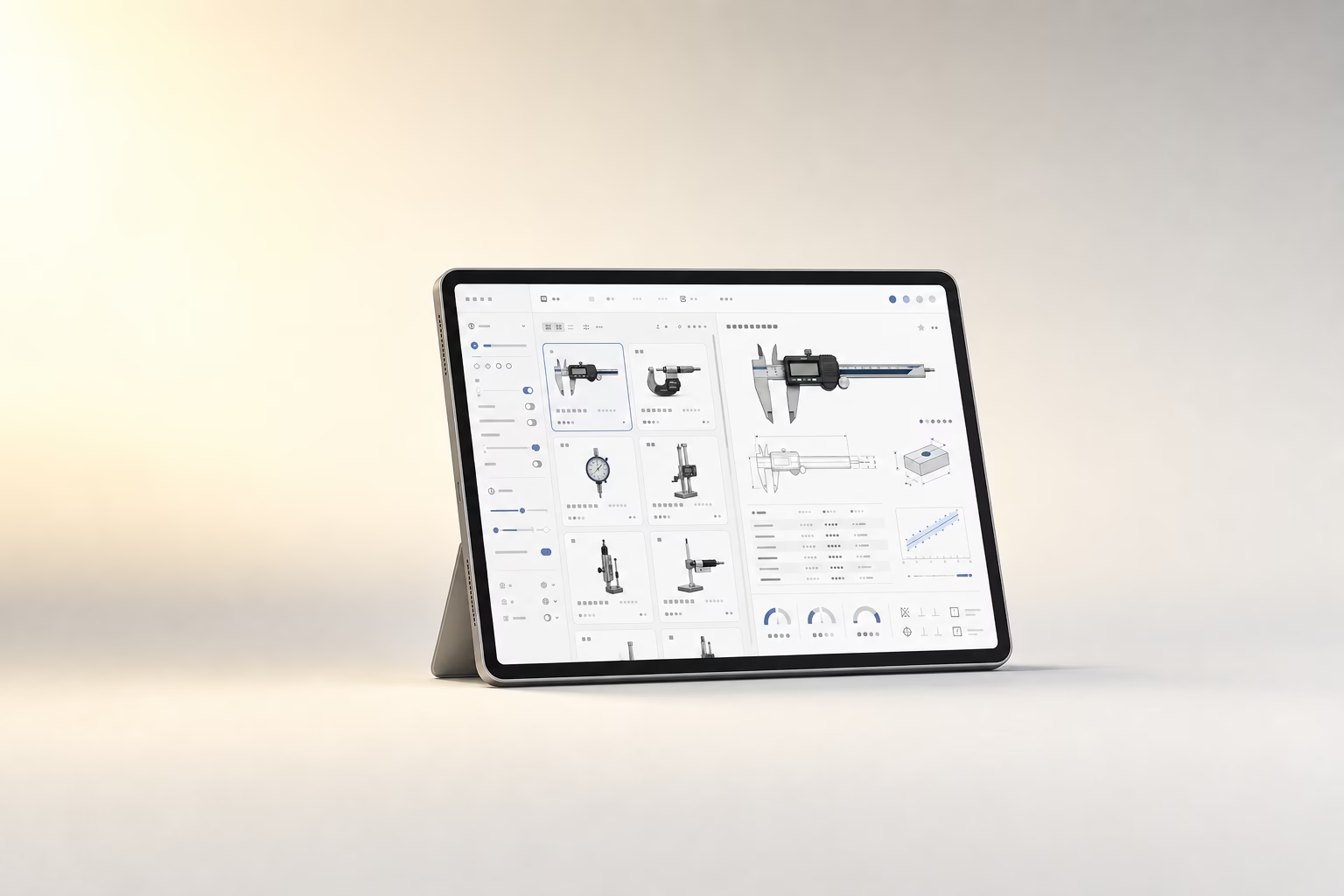
Product interfaces from the React agency
React is especially well suited to complex filter logic and dynamic product catalogues, because component updates happen granularly. Only the relevant parts of the page re-render when a filter is set. That makes product interfaces possible in which hundreds of variants can be searched by application, performance, material and certification, without the page reloading. Sales is relieved of recurring basic questions, because buyers and technicians search and filter themselves.
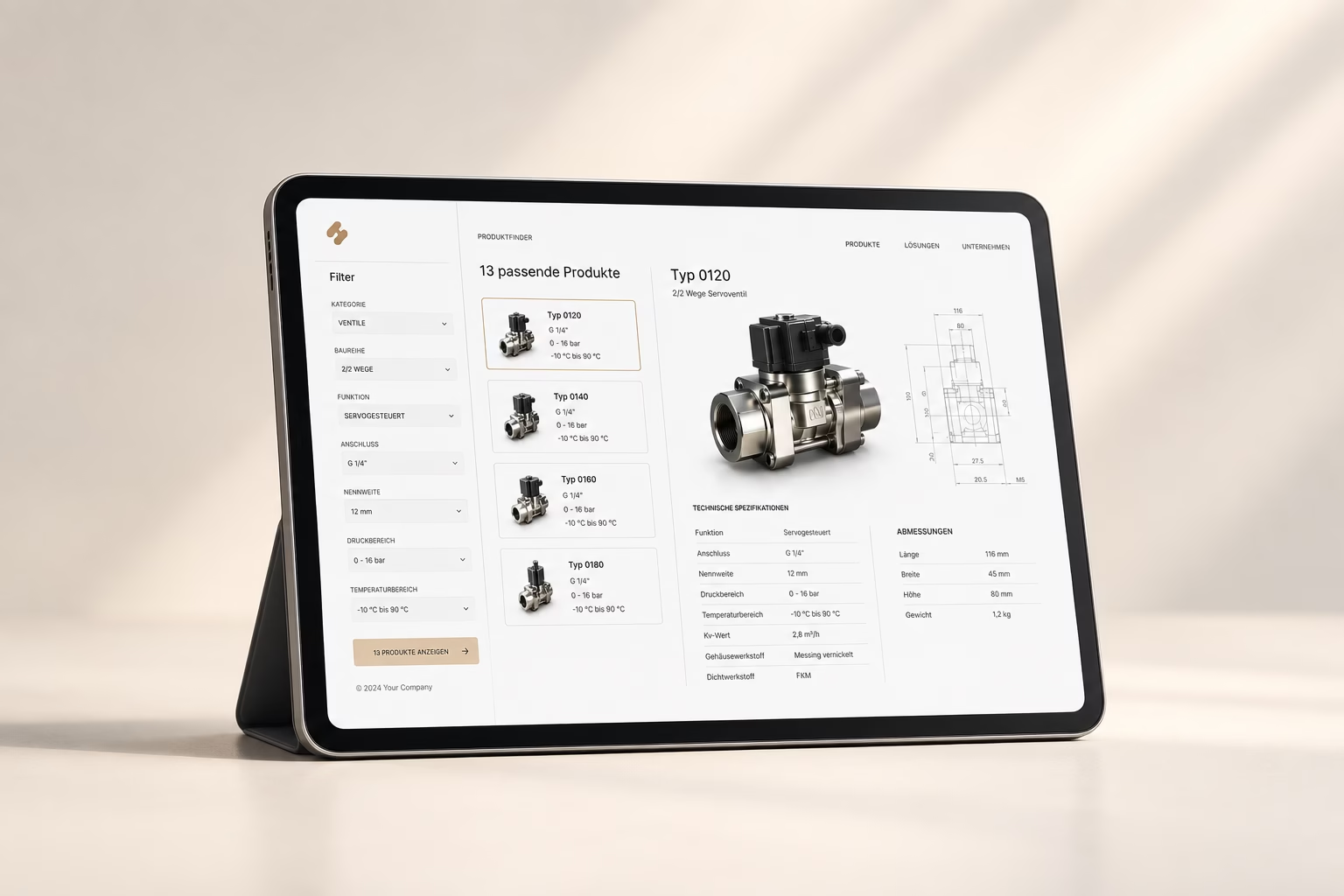
Next.js for B2B portals
Next.js makes server-side rendering and static page generation possible in the same application. Product pages are delivered faster, are fully readable for search engines, and can still be combined with dynamic filter functions. For B2B portals with hundreds of product and category pages, that is a decisive advantage over classic React SPAs, which only build the content in the browser after loading.
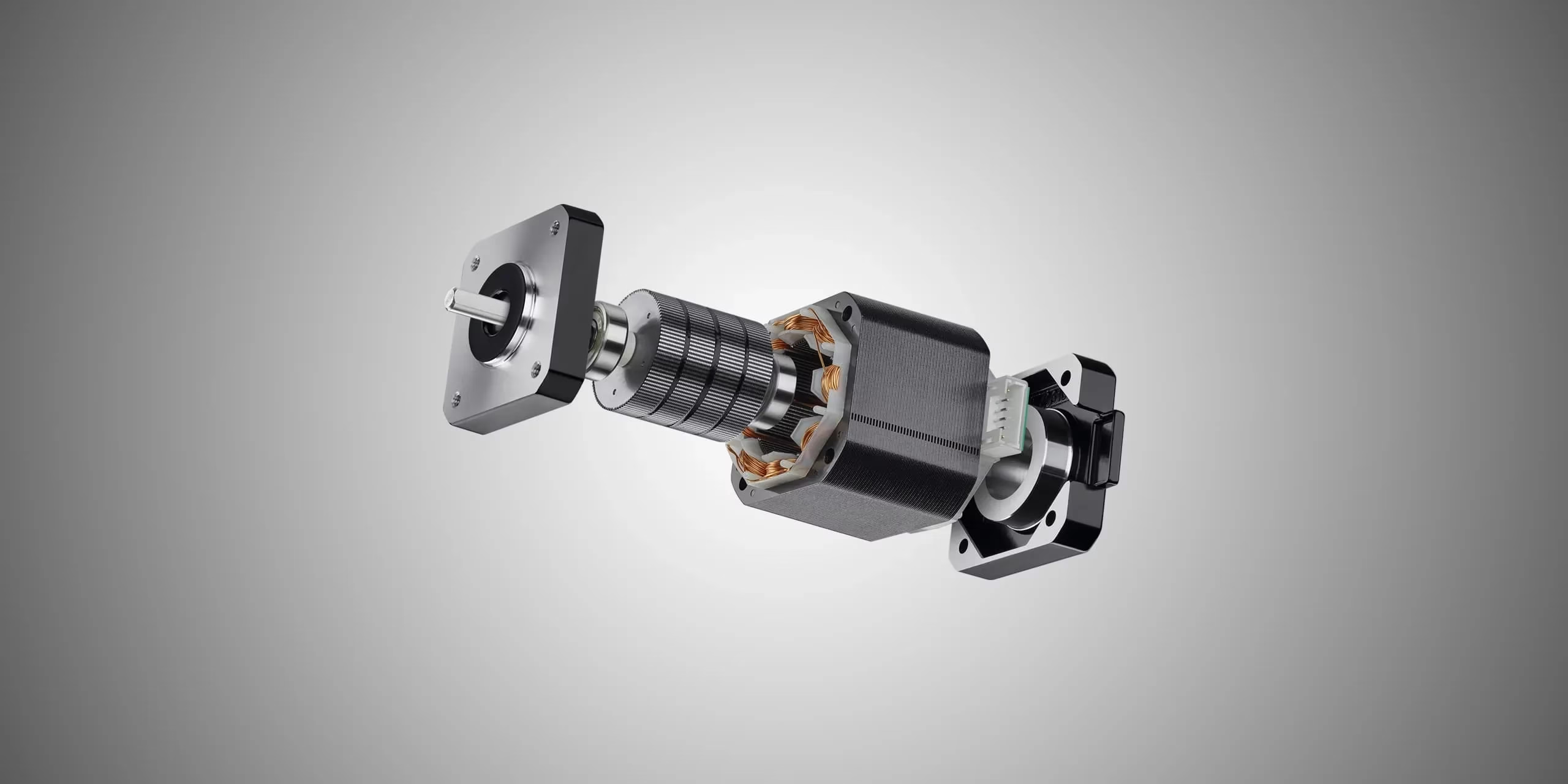
A clean interface architecture
React applications separate the user interface, business logic and data access cleanly from each other. Individual areas can be tested, maintained and extended with new API connections without touching the whole system. As a React agency we connect ERP, CRM and PIM systems through documented REST APIs or GraphQL, so data only has to be maintained once and product information stays consistent across the application.

Less work for sales through clear portals
A well-structured React portal leads prospects straight to the right product or the right service, without a detour through sales. Clear navigation, targeted enquiry paths and an understandable product presentation mean prospects can narrow their need themselves before the first conversation. Sales starts conversations with more structured information and spends less time on basic questions.

Client testimonial
“Our products cannot be represented in simple SKU lists. Variants, specifications, data sheets and customer-specific requirements have to be organised with technical accuracy. Loehn Digital built a website and a PIM solution for exactly that, shaped to the reality of drive technology.”
Gerrit Kocherscheidt
Managing Director, KOCO MOTION

Case study – privacy software
brighter AI
brighter AI develops an AI-based platform for image and video anonymisation, a technically demanding subject with high requirements for React component architecture and compliance. In the collaboration we continued and optimised parts of the existing React frontend: we added new areas, reworked the user guidance for complex anonymisation use cases, and sharpened the presentation for international decision-makers, so the specialist benefit of the platform can be grasped faster.
Case study – AI platform
agao.ai platform
agao.ai is the GDPR-compliant AI platform from Loehn Digital, including React interfaces for assistants, knowledge access and automations. The platform connects multi-model AI with existing data sources and workflows, so teams use productive agents instead of isolated chat demos.
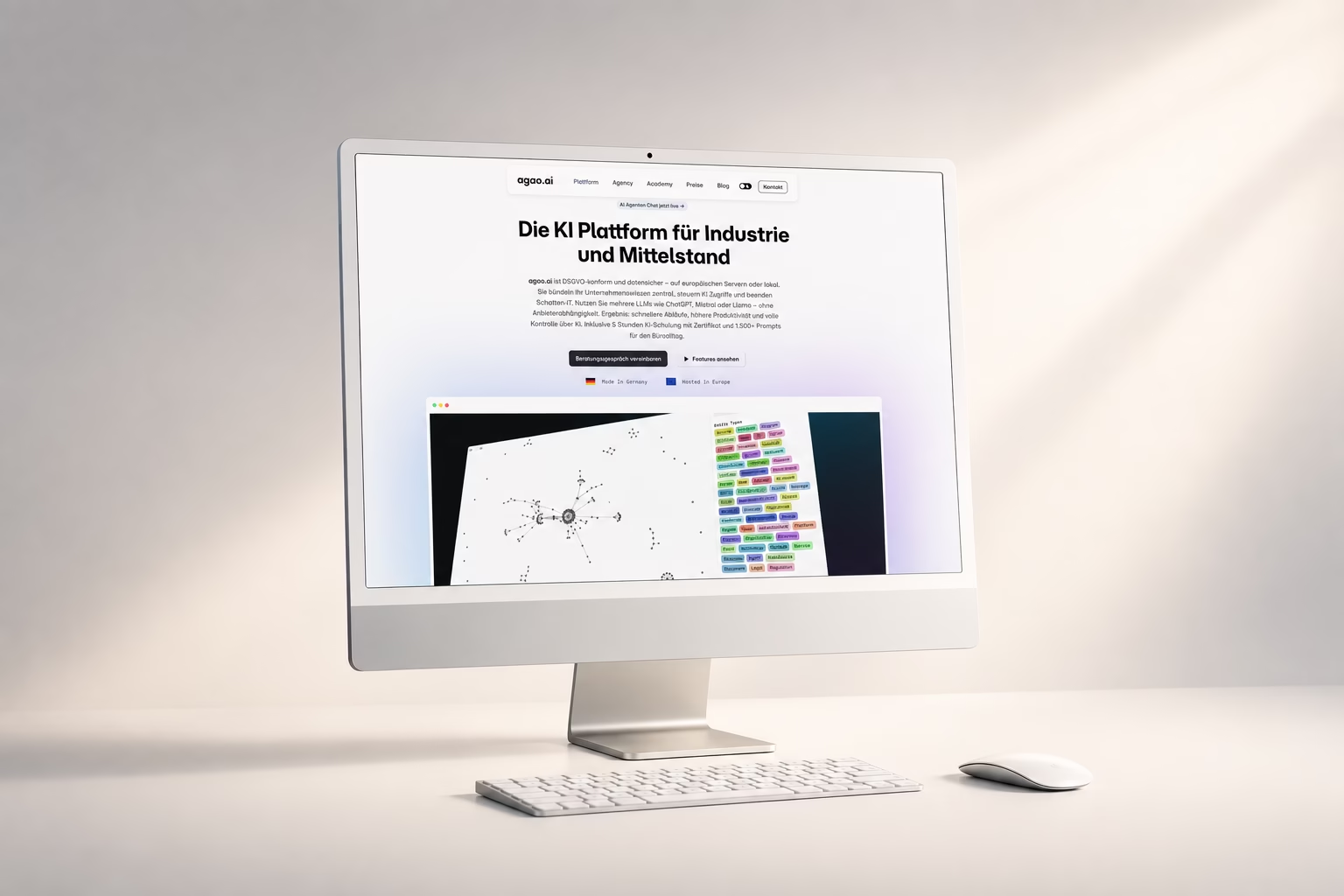
Case study – drive technology
KOCO MOTION
KOCO MOTION manages thousands of motors, gearboxes and controllers with complex technical variants. The DrivePIM frontend was built as a React web application with filter-based product search by motor type, performance, frame size and voltage. Technicians and buyers research the right drive components on their own. Sales is relieved of recurring search questions and can focus on concrete application conversations.
React and Next.js for B2B frontends
Talk to your React agency
“Good React applications prove themselves not in the first sprint, but in every one after it.”
Free consultation
First reply within 24h
Frequently asked questions
What does developing a React application cost?
The investment depends on scope, interface integration, design complexity and the test coverage you want. After a briefing you receive an individual proposal with clearly defined services, without package prices or hidden line items. For a larger scope we plan prioritised stages of expansion.
When is React the right choice, and when Next.js?
React is suited to highly dynamic applications where SEO does not matter: dashboards, admin interfaces, portals behind a login. Next.js is the right choice when product pages and content should be findable by search engines, or when you need fast load times without client-side rendering. As a React agency we recommend the technically sound option in the briefing.
How long does developing a React application take?
That depends on the functional scope, the number of components and the complexity of the interfaces. Simple portals take a few weeks. Complex product catalogues with several API connections need correspondingly more time. After the architecture briefing we produce a reliable schedule.
Can you migrate our existing frontend to React?
Yes. As a React agency we review the existing code, dependencies and architecture, and recommend a staged migration in which new functions are built in React and old areas are replaced in a controlled way. A complete rewrite is not necessary in most cases, and is avoidable.
What distinguishes loehn.digital from other React agencies?
You work directly with the developers who implement the architecture, the components and the interfaces. There is no junior account manager as a bottleneck. We also think through product finding, sales processes and B2B logic, instead of delivering frontend work without context.
How is the React application connected to our backend?
We connect backends through REST APIs, GraphQL or WebSockets, depending on the requirements for real time, data volume and the backend infrastructure you have. Authentication uses JWT, OAuth or your existing session logic. Interfaces are handed over documented.
Do the source code and the component library pass to us?
Yes. After full payment, the source code and the rights of use pass to you. As a React agency we deliver a clean repository with component documentation, so your internal team or future agencies can continue immediately.
Do you offer maintenance and React updates after launch?
Yes. As a React agency we take on dependency updates, security patches, performance monitoring and controlled further development on request. React and Next.js keep developing actively. Regular updates protect the application and keep it compatible with the ecosystem.
We have an internal development team. Can you still help?
Yes. As a React agency we regularly work with internal development teams: as architecture advice, as additional React capacity for critical phases, or as a review partner for existing component structures. Alignment with your repository setup and your existing processes is part of that.